AI & Advisory Services

Atlas Technica is the industry’s first Managed Intelligence Provider, purpose-built for capital markets. We don’t just secure your infrastructure; we secure the intelligence running on it, so your firm can leverage AI to generate alpha without compromising data sovereignty or compliance.

Gemini_Generated_Image_pw7ubqpw7ubqpw7u

AI Governance & Security

AI respects your permissions. It can't fix your history.

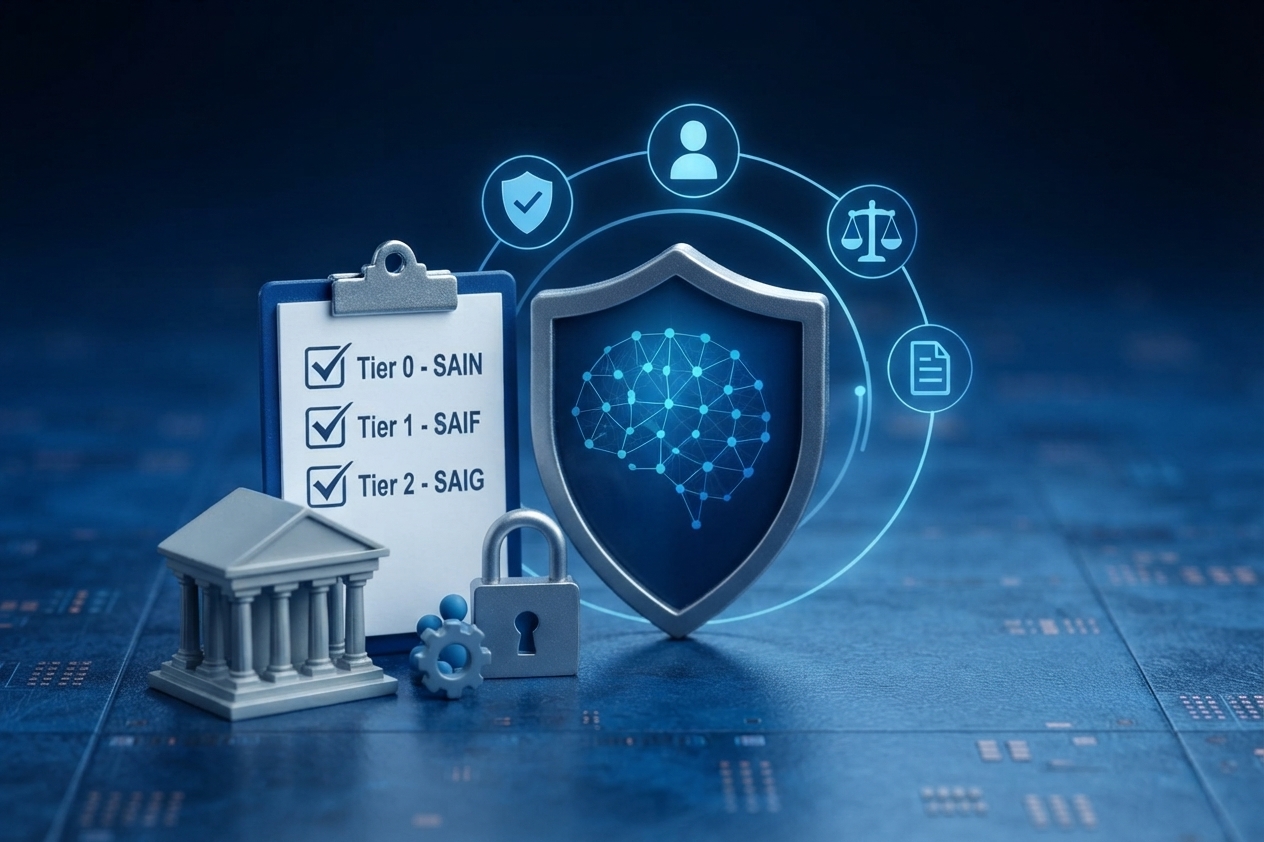
If sensitive data was over-shared years ago, AI surfaces it instantly. We bring the same rigor we apply to cybersecurity and compliance into the AI layer, with Safe Zone architectures and forensic audit trails that satisfy SEC, FINRA, and investor due diligence. We deploy this in three stages, scaled to where a firm is:

Tier 0 - SAIN (Simple AI Necessities)

Get every team out of consumer mode. Sanctioned tools like Claude, ChatGPT, and Copilot go behind enterprise identity, SSO, MFA, and baseline hardening. Most firms are live within days.

Tier 1 - SAIF (Secure AI Foundation)

Hardening is the beginning, not the end. We add the governed layer: DLP, sensitivity labels, a SharePoint permission audit, and shadow AI containment. Typically deployed in 3–4 weeks.

Tier 2 - SAIG (Sovereign AI Governance)

For firms ready to go further, a governed enclave where stronger models work with private data and agentic workflows, without turning the tenant into an experiment. Scoped per engagement.

Infrastructure alone isn't the moat. Disciplined AI governance is.

AI Enablement: Custom Builds & Integrations

A demo proves an idea works. We build what your team keeps working 

When your needs go beyond standard enablement, our Professional Services team designs and delivers secure, bespoke AI environments. From Azure AI Foundry sandboxes and private research enclaves to agentic workflows and MCP server integrations, we scope each project with a clear architecture and statement of work. Everything we build is designed to be supportable, not a prototype you’re left to manage alone. 

Where you're ready to move past strategy into execution, we also design and deploy agentic workflows directly with your team, and train your analysts to use them.


Types-of-Custom-AI-Solutions
mashreq-shutterstock_2627995021

AI Enablement: Architecture & Engineering

You don't need a full-time AI engineer. You need an AI Operating Capability.

One senior hire is expensive, hard to find, and unlikely to cover strategy, architecture, engineering, governance, vendor selection, and training well enough alone, and it puts a fund-wide priority behind a single point of failure.

Atlas fields a fractional AI engineering team instead: a Senior AI Architect paired with a dedicated AI Engineer, sold in fixed-capacity blocks rather than a fixed project. Architecture leads the early sprints, engineering ramps as priorities firm up, and the hours are yours to direct as your needs evolve inside the block.

One team, one owner, no rotating cast.

AI Enablement: Agentic Solutions & Training

Your analysts already know AI can do more. They don't yet know how to build it.

Buying a license gets a team to a chatbot. It doesn't get them agents that run their actual workflow, or the judgment to know which prompts are worth automating in the first place.

Atlas designs and deploys the agentic workflows directly with your team, then trains your analysts to run and extend them: Agentic Workflow Design & Deployment, paired with Team Training & Prompt Enablement, so the capability stays in-house once we hand it off.

We build it with you, then get out of the way.

0c1452f4-8b7c-4917-bd9a-27e316d6fc85
Gemini_Generated_Image_eeatr9eeatr9eeat

Built on Infrastructure You Trust

Other advisors are learning your environment. We already run it. 

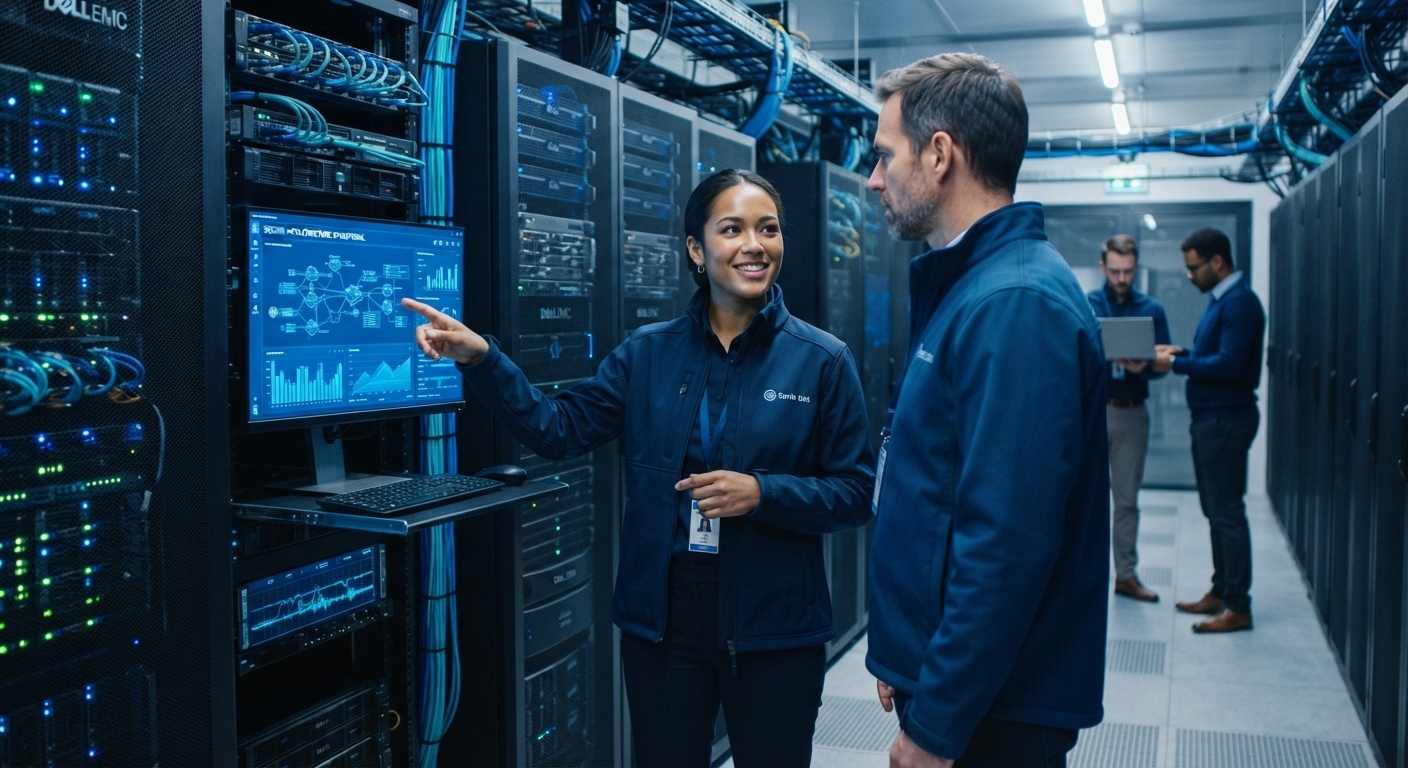
Atlas already manages cloud tenant, identity, and endpoints for over 200 hedge funds and private equity firms worldwide. That deep infrastructure access gives us a significant advantage over advisory firms that start from scratch. Everything we design for AI is built to integrate seamlessly with your existing environment. Secure, scalable, and supportable from day one.  

Atlas AI & Advisory: Artificial Intelligence for the Alternative Investment Industry

Atlas AI & Advisory is a comprehensive practice designed to help alternative investment firms safely adopt, govern, and operationalize AI. Whether your firm is deploying its first Copilot licenses or architecting a sovereign AI enclave for proprietary research, our team provides the strategy, security, and implementation expertise to move forward with confidence. Our practice brings institutional rigor and capital markets fluency to every engagement.

AI Governance & Security

Enterprise identity, DLP, and audit trails built for SEC and FINRA scrutiny, deployed in stages that match your team's readiness.

AI Enablement: Custom Builds & Integrations

Bespoke sandboxes, enclaves, and integrations, scoped and delivered by our Professional Services team so nothing ships as a prototype.

AI Enablement: Architecture & Engineering

A fractional architecture and engineering team on a fixed-capacity retainer, senior judgment without the full-time headcount.

AI Enablement: Agentic Solutions & Training

Agentic workflows built for your strategy, using your data, and trained directly with your team.

Frequently Asked Questions

What's the difference between SAIN, SAIF, and SAIG?

They're three tiers of AI deployment, scaled to how far along a firm is. SAIN (Simple AI Necessities) gets every team out of consumer mode - sanctioned tools like Claude, ChatGPT, and Copilot go behind enterprise identity, SSO, and MFA, usually live within days. SAIF (Secure AI Foundation) adds the governed layer on top: DLP, sensitivity labels, a SharePoint permission audit, and shadow AI containment, typically a 3–4 week deployment. SAIG (Sovereign AI Governance) is for firms ready to go further - a governed enclave where stronger models work with private data and agentic workflows, scoped per engagement. Most firms start at SAIN and move up as their AI use matures.

How much AI engineering support does a fund actually need?

Most funds don't need a full-time AI engineer, they need an AI Operating Capability. A single senior AI engineer is expensive, hard to find, and rarely covers strategy, architecture, engineering, governance, vendor selection, and training well enough on their own, and it puts a fund-wide priority behind one person. Atlas fields a fractional team instead: a Senior AI Architect paired with a dedicated AI Engineer, sold in fixed-capacity blocks you direct as priorities shift, rather than a fixed project or a full-time hire.

Can we use ChatGPT and Claude and still stay SEC/FINRA compliant?

Yes, with the right controls in place. AI respects your existing permissions, but it can't fix your data history: if sensitive files were over-shared years ago, AI will surface them instantly instead of containing them. Atlas brings the same rigor we apply to cybersecurity and compliance into the AI layer, starting with a full audit of your existing file exposure. Our Secure AI Foundation (SAIF) tier adds shadow AI containment, sensitivity labeling, and audit trails designed to meet SEC, FINRA, and investor due diligence expectations, typically deployed in three to four weeks.

How do we decide between Copilot, ChatGPT, and Claude for our fund?

It depends on your workflow and your risk tolerance, not brand preference. Microsoft Copilot stays inside your existing M365 tenant, which gives you the strongest data boundary and the fastest path to compliance. Claude and ChatGPT Enterprise are more capable for research and coding workflows, but they send data outside your tenant, which means additional controls, sensitivity labeling, and a signed AI use waiver before rollout. Most funds end up running more than one tool for different teams. Atlas helps you make that call and secures whichever combination you choose.

What will our LPs and allocators expect to see about our AI governance during due diligence?

More than most COOs expect, and it's growing fast. Allocators are increasingly building GenAI-specific questions into their due diligence questionnaires: what tools you use, who owns AI risk internally, how vendor AI is vetted, and whether AI interactions are logged and auditable. That's exactly the documentation our SAIF and SAIG tiers are built to produce, so when the DDQ question shows up, you already have a written answer instead of scrambling for one.

How does AI pricing actually work, and why does it feel unpredictable?

AI pricing is shifting from predictable per-seat software fees to variable, usage-based token consumption, and that shift catches most COOs off guard. A single enterprise license used to be one line on a budget; agentic workflows that call a model dozens of times per task don't behave the same way. Atlas prices its Solutions tiers (SAIN, SAIF, SAIG) on the flat per-seat model you already budget for. For custom agentic builds, our Advisory team walks you through the token-based cost structure up front, before anything is built, so consumption doesn't become a surprise on next quarter's invoice.

What's the difference between SAIN, SAIF, and SAIG?

What's the difference between SAIN, SAIF, and SAIG?

They're three tiers of AI deployment, scaled to how far along a firm is. SAIN (Simple AI Necessities) gets every team out of consumer mode - sanctioned tools like Claude, ChatGPT, and Copilot go behind enterprise identity, SSO, and MFA, usually live within days. SAIF (Secure AI Foundation) adds the governed layer on top: DLP, sensitivity labels, a SharePoint permission audit, and shadow AI containment, typically a 3–4 week deployment. SAIG (Sovereign AI Governance) is for firms ready to go further - a governed enclave where stronger models work with private data and agentic workflows, scoped per engagement. Most firms start at SAIN and move up as their AI use matures.

How much AI engineering support does a fund actually need?

How much AI engineering support does a fund actually need?

Most funds don't need a full-time AI engineer, they need an AI Operating Capability. A single senior AI engineer is expensive, hard to find, and rarely covers strategy, architecture, engineering, governance, vendor selection, and training well enough on their own, and it puts a fund-wide priority behind one person. Atlas fields a fractional team instead: a Senior AI Architect paired with a dedicated AI Engineer, sold in fixed-capacity blocks you direct as priorities shift, rather than a fixed project or a full-time hire.

Can we use ChatGPT and Claude and still stay SEC/FINRA compliant?

Can we use ChatGPT and Claude and still stay SEC/FINRA compliant?

Yes, with the right controls in place. AI respects your existing permissions, but it can't fix your data history: if sensitive files were over-shared years ago, AI will surface them instantly instead of containing them. Atlas brings the same rigor we apply to cybersecurity and compliance into the AI layer, starting with a full audit of your existing file exposure. Our Secure AI Foundation (SAIF) tier adds shadow AI containment, sensitivity labeling, and audit trails designed to meet SEC, FINRA, and investor due diligence expectations, typically deployed in three to four weeks.

How do we decide between Copilot, ChatGPT, and Claude for our fund?

How do we decide between Copilot, ChatGPT, and Claude for our fund?

It depends on your workflow and your risk tolerance, not brand preference. Microsoft Copilot stays inside your existing M365 tenant, which gives you the strongest data boundary and the fastest path to compliance. Claude and ChatGPT Enterprise are more capable for research and coding workflows, but they send data outside your tenant, which means additional controls, sensitivity labeling, and a signed AI use waiver before rollout. Most funds end up running more than one tool for different teams. Atlas helps you make that call and secures whichever combination you choose.

What will our LPs and allocators expect to see about our AI governance during due diligence?

What will our LPs and allocators expect to see about our AI governance during due diligence?

More than most COOs expect, and it's growing fast. Allocators are increasingly building GenAI-specific questions into their due diligence questionnaires: what tools you use, who owns AI risk internally, how vendor AI is vetted, and whether AI interactions are logged and auditable. That's exactly the documentation our SAIF and SAIG tiers are built to produce, so when the DDQ question shows up, you already have a written answer instead of scrambling for one.

How does AI pricing actually work, and why does it feel unpredictable?

How does AI pricing actually work, and why does it feel unpredictable?

AI pricing is shifting from predictable per-seat software fees to variable, usage-based token consumption, and that shift catches most COOs off guard. A single enterprise license used to be one line on a budget; agentic workflows that call a model dozens of times per task don't behave the same way. Atlas prices its Solutions tiers (SAIN, SAIF, SAIG) on the flat per-seat model you already budget for. For custom agentic builds, our Advisory team walks you through the token-based cost structure up front, before anything is built, so consumption doesn't become a surprise on next quarter's invoice.

AdobeStock_301162517

Let Atlas Carry the Weight of Your IT

Whether you’re scaling your firm, modernizing infrastructure, or strengthening your security posture, Atlas Technica provides the confidence that comes from having the right technology partner in place.